
The Parking Space a Mile and a Half Away: The Cost Nobody Puts in the Listing
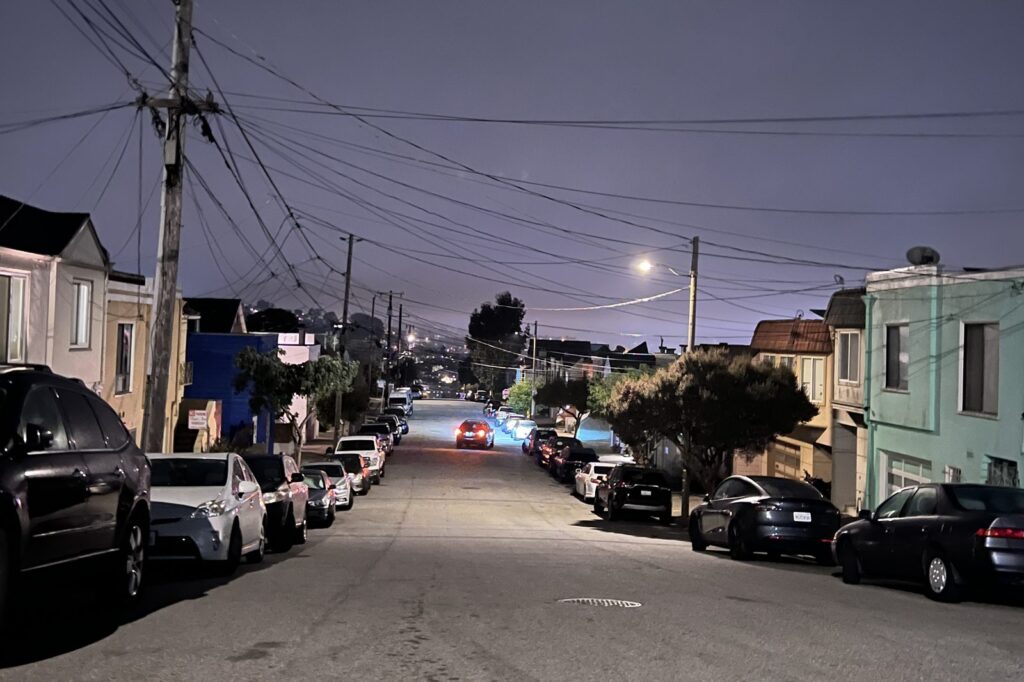
A woman stood in the kitchen at one of our open houses last month and told me what she pays to park. Six hundred dollars a month. One space. A mile and a half from the apartment she rents — offered to her, generously, by her own landlord.
I have a blind spot here and I should say so. I grew up on the west side with a garage and a street where you could usually find something. Parking has never been the thing that shaped my week. I have friends in the middle of the city who circle their own block for twenty minutes on a Tuesday night, and somehow I had filed that under inconvenience rather than expense.
It Isn’t an Inconvenience. It’s an Expense.
She wasn’t at our open house to admire the kitchen. She’d done the math on tickets, tow fees, permit rules, and six hundred dollars a month, and decided she’d rather put it toward something of her own.
Six hundred a month is $7,200 a year, in after-tax dollars, indexed to nothing and building nothing. We are precise about the numbers that appear on a listing — price, square footage, taxes, HOA dues — and comparatively casual about the ones that don’t. Run parking against a mortgage payment and it stops being a lifestyle detail. It becomes a line item that can move a rent-versus-buy decision on its own.
Some people solve it by giving up the car entirely, and if you live and work in a walkable part of the city, that can be exactly right. But if you want to get out — a trail in Marin, a weekend up the coast, a job on the other side of a bridge — the car stops being optional. Mine never has been. This city was laid out long before everyone had one, which is precisely why the room to put it is so hard to come by.
The Part Most People Find Out Too Late
Here’s the part I’d want a friend to know. Look into the parking before you sign anything, not after.
Residential parking permits in San Francisco are capped per address. Most areas allow up to four; a handful — areas AA, EE and HV — are limited to two. That cap travels with the property, not with you. A household with three drivers can find itself one permit short of the life it just bought into, and there is no appeal to a cap.
One call to SFMTA will tell you what your block actually allows. It costs nothing, it takes minutes, and it is far cheaper than finding out after closing. If someone you love is moving, remind them to check. Nobody should be working this out on moving day.
Where the Market Sits Right Now
For context on the rest of the math: pulled from the SFAR MLS on July 30, the median single-family list price was about $1,399,000 in San Francisco (flat against June), $1,770,000 in Marin (down 4.3%), and $1,965,000 down the Peninsula (down 6.4%).
Prices held. What moved this summer is the clock. A house in San Francisco is going under contract in about seventeen days now; in Marin it takes fifty-one. There are fewer homes on the market than there were in mid-June, and the thirty-year fixed drifted up to 6.58% instead of easing — so buyers are choosing from a shorter list with less time to decide. For sellers in the city, that speed is doing real work. In Marin, it’s the honestly priced houses selling in three weeks instead of seven. The number on day one still decides everything.
The Takeaway
The costs that never make it onto the listing sheet deserve the same attention as the ones that do. Parking is the one I see missed most often, but it isn’t the only one. If you’re weighing a move this fall, let’s talk through the practical things — parking included — before we talk about price.
Thinking about buying or selling in San Francisco, Marin, or the Peninsula? Call or text me at (415) 407-5324, or visit primaverarealty.com.
Beatrice Kopilenko, REALTOR® · DRE #01970797